For over 150 years this school has been a leading secondary school in New Zealand and is the oldest State Secondary School in Hawke’s Bay. Leaders in all occupations and professions have been educated by the school since its beginning in 1872.
Napier Boys’ High School has retained a philosophy of education consistent with this status. Emphasis is placed on academic rigour, competition, ‘the basics’, strict discipline, strong values, extra-curricular activities, formal occasions, school uniform and pride. These qualities engender a high level of success for students in all aspects of school life. While traditional, Napier Boys’ High School is not conservative and is a dynamic learning environment aiming to future proof tomorrow’s citizens.
Today traditional values are blended with best teaching practice to provide an achievement based education for the 21st Century.
The School is proud of the achievements of its young men.
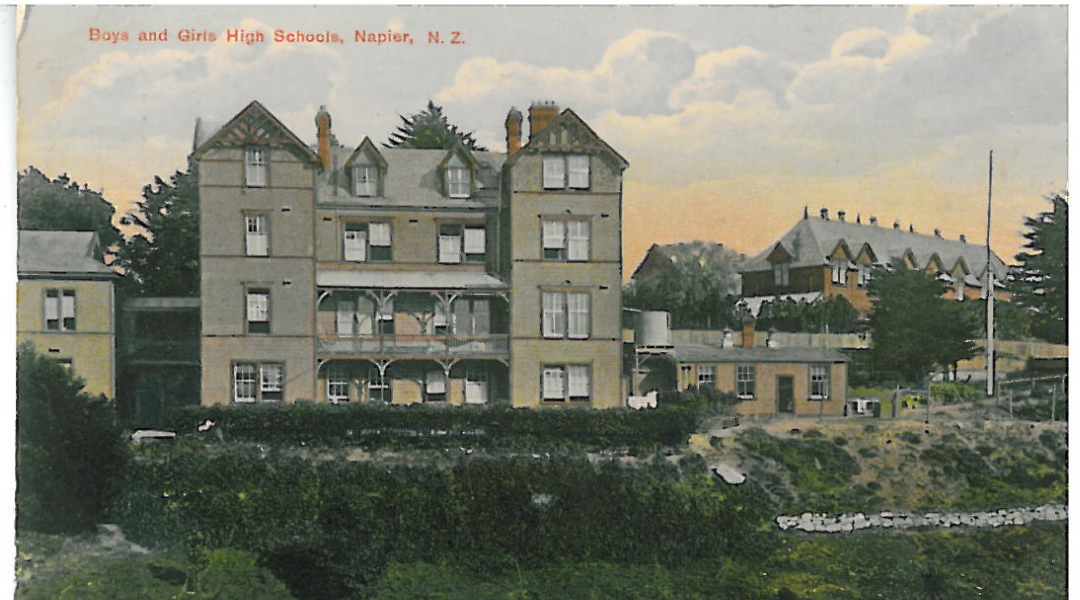
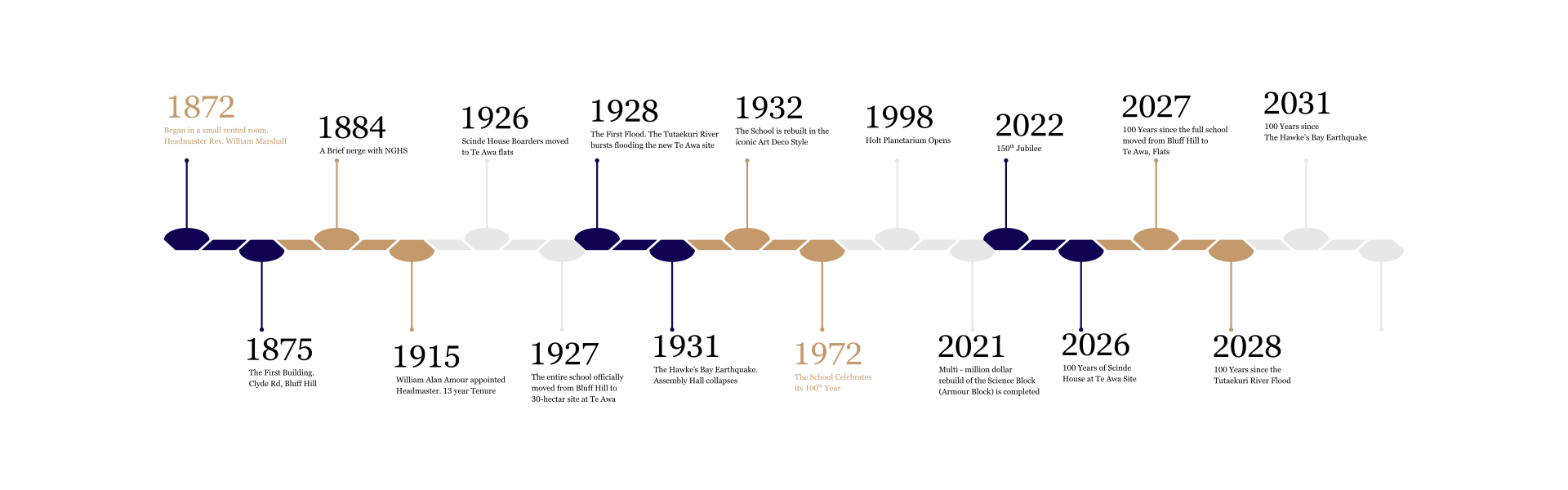
The history of Napier Boys’ High School reflects both evolution and resilience. Established in 1872, the school began in a modest two-storied house on Carlyle Street with only 30 pupils. As enrollment increased, the institution relocated in 1875 to its iconic site on the slopes of Scinde Hill. For more than fifty years, the Victorian brick buildings overlooking the town shaped the school’s identity, creating the enduring "Scindian" spirit and inspiring the name of the historic boarding hostel, Scinde House.
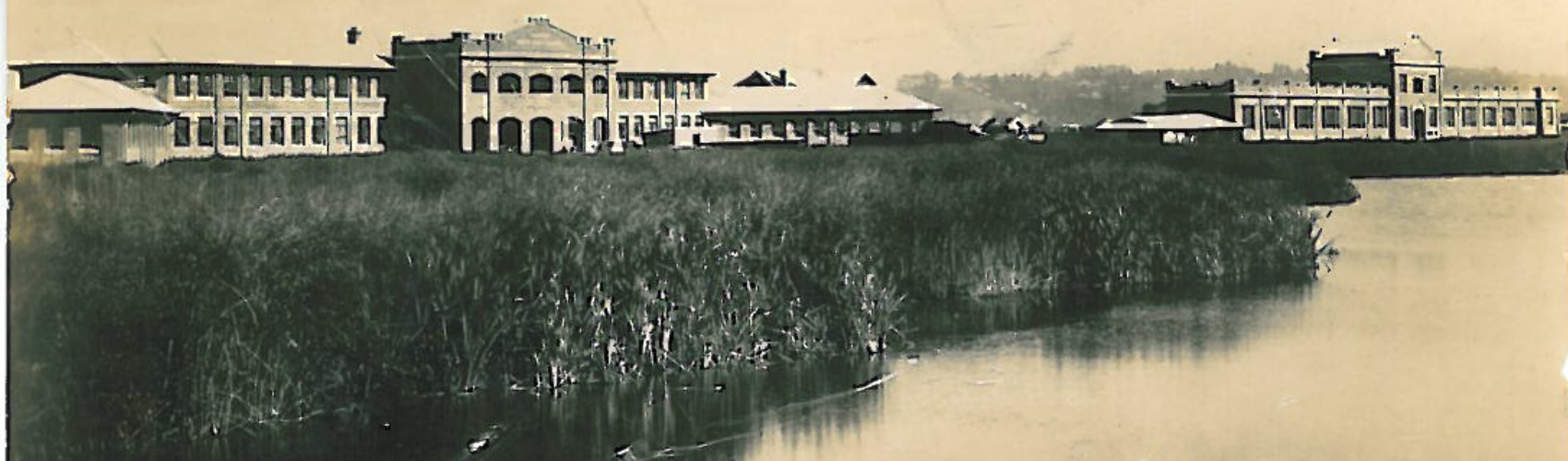
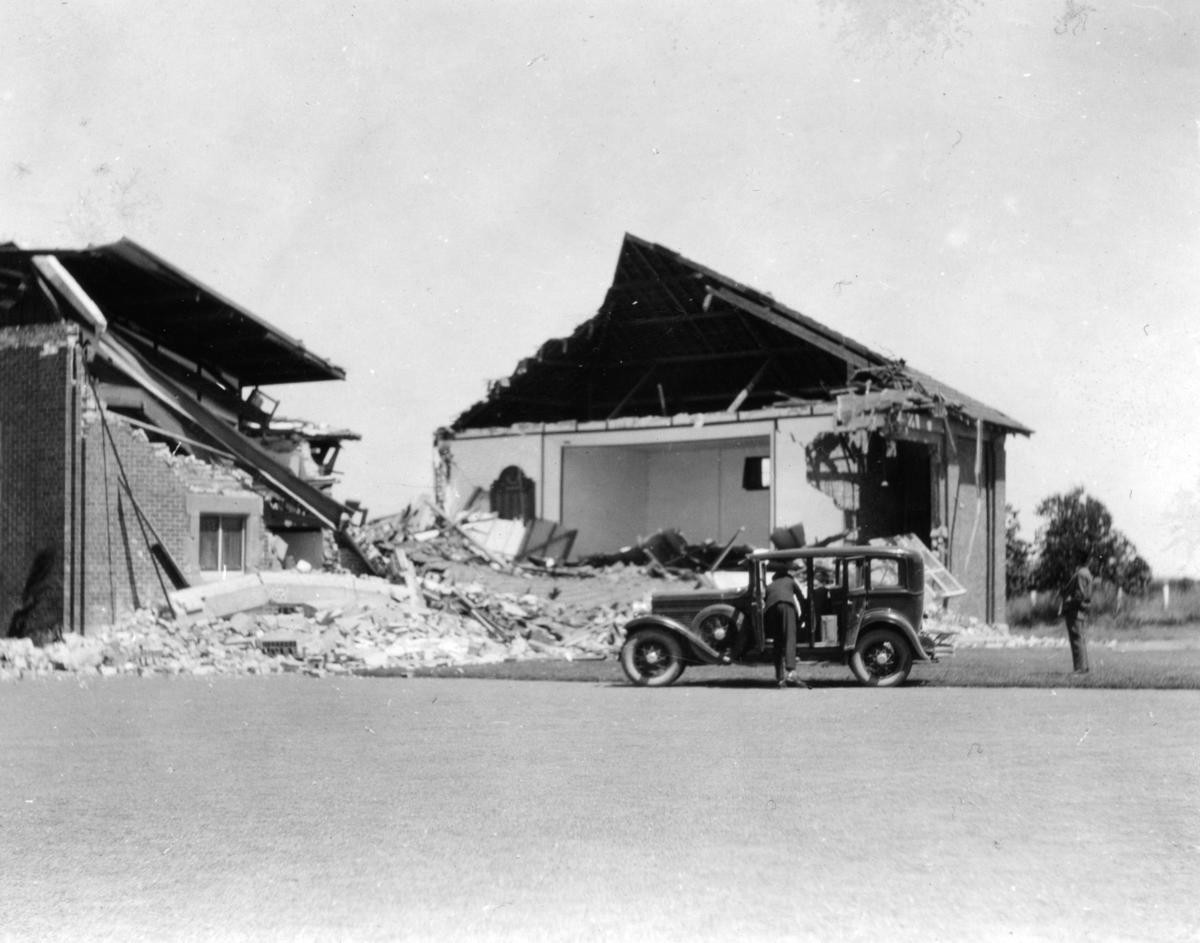
A defining moment in the school’s history occurred on February 3, 1931, when the Hawke’s Bay Earthquake rendered the hillside buildings unsafe. This event necessitated a significant decision, and in 1932, the school relocated from the confined hills to the expansive 30-hectare site at Te Awa.
During the transition, classes were temporarily conducted in tents and makeshift structures. The relocation enabled the development of a distinctive Art Deco-inspired campus and provided space for world-class playing fields and the school farm, both of which remain hallmarks of the Napier Boys’ High School experience.
Although the school’s origins were on the hill, its future is now shaped on the plains. Today, Napier Boys’ High School is a forward-looking institution with approximately 1,200 students, dedicated to supporting the success of modern young men.
Napier Boys’ High School has retained a philosophy of education consistent with this status. Emphasis is placed on academic rigour, competition, ‘the basics’, strict discipline, strong values, extra-curricular activities, formal occasions, school uniform and pride. These qualities engender a high level of success for students in all aspects of school life. While traditional, Napier Boys’ High School is not conservative and is a dynamic learning environment aiming to future proof tomorrow’s citizens.
Today traditional values are blended with best teaching practice to provide an achievement based education for the 21st Century.